Article Analyzation

I read an article on how the reduction of carbon emissions could happen if we made more pedestrian and cyclist-friendly streets. The article highlighted how even a small percentage (6%) could reduce carbon emissions be about 5 gigatons. But there are also drawbacks, including the fact that it is dangerous to walk or cycle on city streets. If a car or truck is parked illegally and a cyclist or walker goes around it, the result could be fatal.
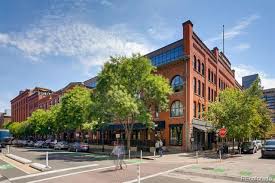
Some cities want to switch to all electric vehicles, but that can be problematic as well. EVs are expensive, take a while to charge, and are very quiet, so no one can hear that they are coming. The switch to pedestrian-friendly streets is an easy, simple way that could cost many people nothing.

What surprised me is just how much CO2 we emit on a regular basis, and what strides are already taking place to help reduce that emission percentage. These streets in particular sound like they could have a huge impact on city life and the atmosphere. I like how people seem to be open to the idea of pedestrian streets in cities — at least enough to use them. It is important that in a big movement such as this that support is given, and it might end up including more people as it catches speed.

Finally, it surprised me how fatal some streets could be in cities, and how careless some drivers can be. The cause of death for a man named Russel Franklin was a hit by an illegally parked truck. Possibly if that truck had been parked in a safer place, the accident could have been avoided. But, later that week, a pedestrian was killed on the same street. I think that in order to exact change on the pedestrian-friendly streets, drivers have to be a thousand times more careful with where they are driving, while pedestrians also have to be careful and abide by foot traffic laws.

Overall, if we work together to change streets in some cities, we could be one step closer to saving the environment. Research says that in about 12 years if we raise the world temperature by another half degree Celsius, the global warming change is irreversible, and it will never return to the same way it was again. Change, especially in cities, can’t happen in 20 years, 10 years, or even 5 years. In order for us to remain safe and functioning globally, we have to start change now.

Read the article HERE

Analogue Walk

Two weeks ago, we did an analogue walk around campus. We read an article about the pros of analogue thinking, and the article outlined the power that analogue thinking and writing has on a creator. “Analogue thinking” means that you are not jotting down ideas on a computer, but you are writing them out on paper. This is a quote form said article:

“Choosing to use analogue processes and products permits design with minimum distraction and interference ­­– no Instagram checking, no emails, no pinging sounds to interrupt the process. Its results are far from perfect or polished, but they also don’t tend to get bogged down in details, such as the precise shade of blue the font should be, when you really just need to write the text or get doodling”

 This paragraph is the epitome of the article — it shows that analogue design is a more effective and free way to approach ideas and design.

Anyway, on to the project. Our teacher gave us a paper, and it had a list of eight steps on it, and we were instructed to create a random list of steps that would take us around campus. The next day, we met in the dining hall, and we were told to switch papers. I switched with Noorie, and we started.

Her steps took me to lots of different places around campus the first time, and then I saw that we had to repeat it three times. I could only repeat it twice, but it definitely took me everywhere! It was fun, and showed me the power of analogue design.

Read the full article HERE

TED Talk: David E. Kelley

We watched a video of David Kelley talking about creative confidence, and I thought that it had an incredible message. He explained how the comments of other people can influence someone’s creative confidence, and comments like that make a creator doubt their abilities, so they are less likely to do a creative project again. Then, he talked about how there were ways to solve that by taking baby steps to creative confidence again, and hoe, through intensive therapy, fears could be accomplished. That could change a person’s whole mindset; for example, if someone was afraid of snakes, and then took baby steps to conquer that fear, and it translated to many other things throughout the client’s life.

He also talked about how many scientists, businesspeople, and great minds thought that they didn’t have the “traits” of creativity, so therefore, they  didn’t invent anything, or work to make something better. He talked about how there was not creativity trait, and that if people tried, they could come up with great things. He also talked about how Doug Deitz, creator of the MRI machine and other large medical imaging technology, had a moment of crisis in his very successful career. He was watching a child having a fit about going into one of his machines because they were scared. He was shocked to learn that over 80% of the people who were going to be scanned had to be sedated in order to cope with it. He had to figure out something to do to help the hospitals, families, and patients. He considered himself a technical person, but it was up to him to think of something creative. He eventually came up with the idea of painting the machines to mimic things like space ships, pirate ships, and other kid-friendly items. He had the healthcare professionals that dealt with the machines trained in childcare, so that they would make the experience more enjoyable for the children. After that, only about 10% of the patients had to be sedated in order to get scanned. This change was a major change, and it improved the morale of the families, hospitals, and children. download.jpg


In short, he described the lasting impacts of design thinking, and how it can improve even the scariest things.

TED Talk: Julie Lythcott-Haims

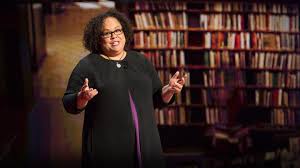
On Friday, we watched a video where Julie Lythcott-Haims explained to parents what they need to do to raise a successful child. She outlined how most parents have a grand plan for the future of their children, and it is not very flexible. Most parents think that their kid has to get all As, get into a specific slot of colleges, and have a select choice of jobs. This is what defined success for parents, but in that quest, they are not letting their children be children and live their own lives. They are too concerned with the future of their child to take joy in the present, and what they have in the moment. I think that the message of that is powerful, and is very apparent in today’s society. So many of my friends have parents that want only the best for their kids, so they put on an unimaginable amount of pressure on them, and don’t let them enjoy their childhood. I think that more parents need to see this video to learn how they should parent and how they should approach school and grades. download-1.jpg

Chair Lab

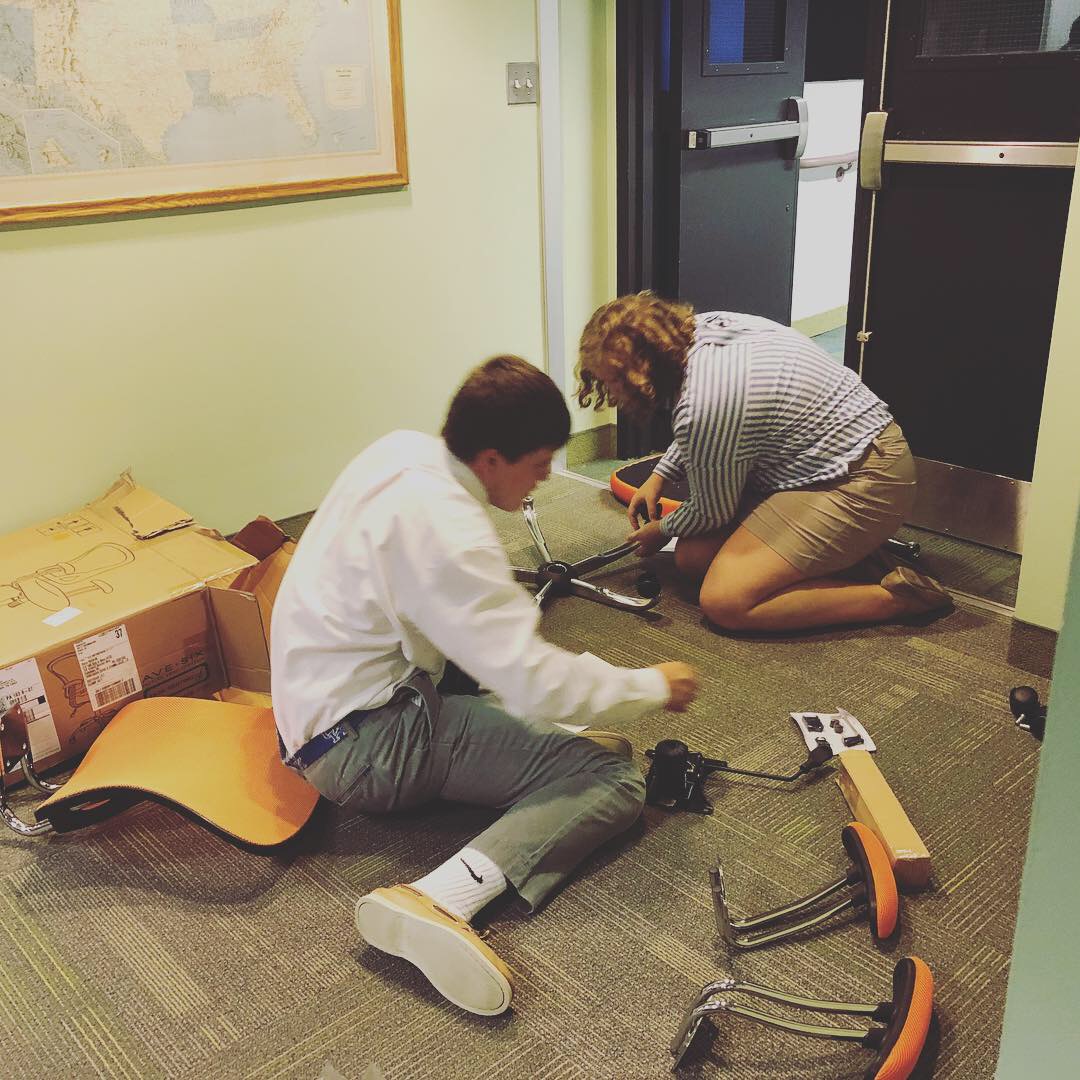
Chair Assembly Project.jpgDuring our long period last week, we built a chair for a flash lab. The only catch is that we couldn’t talk at all while doing so. My partner and I built the chair relatively easily, and we think that we wouldn’t have communicated with each other much even if we had the option. We didn’t run into many problems, other than the fact that the back of our chair could only be held together by three screws instead of four. Other than that, our chair was pretty sturdily built, and I liked doing it.

The Journey Begins

My first post will be on the flash lab that we did the second week of school. The project consisted of 4 people, including me, trying to create an innovative wallet that went beyond improvements of the traditional design. The first day of our lab, we were interviewed the consumer to see what she wanted to improve in her wallet, but the out teacher told us that we should start to think outside of just a wallet, and tried to think of something ore. Our client then came up with the brilliant idea of combining an item of clothing with the wallet, namely the blazer. We took that idea and really created something amazing out of it! We added pockets for phones, credit cards, and even a pocket in the sleeve for an ID card. Needless to say, it was a success!images.jpeg

Good company in a journey makes the way seem shorter. — Izaak Walton